Prestige Is Built on Details
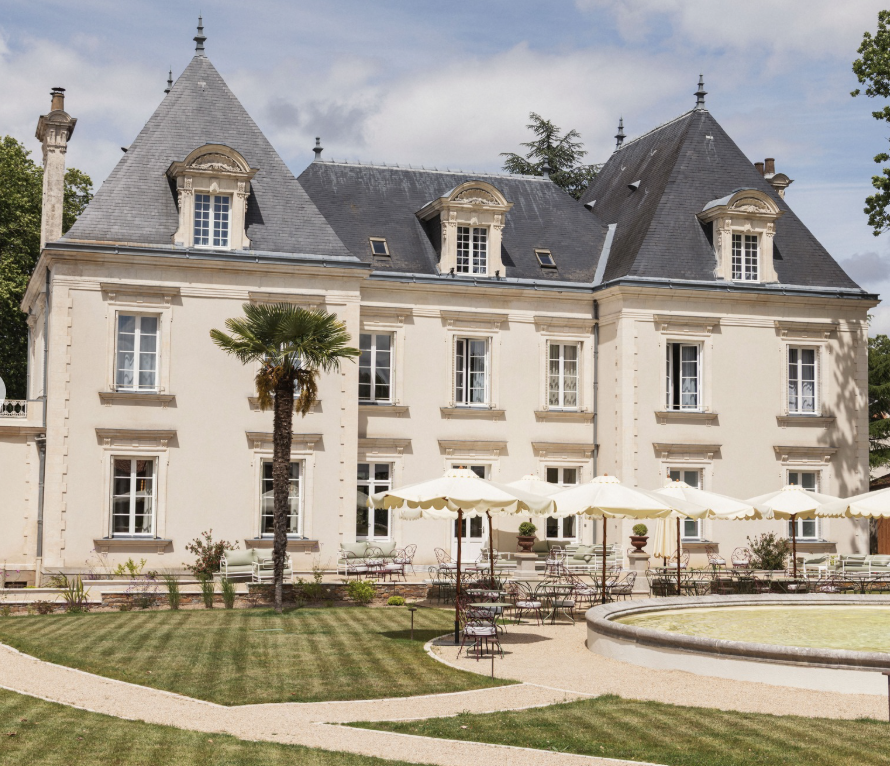
Chateau Du Portereau, Vertou, France
While visiting my parents in France's Loire Valley, just outside Nantes, we decided to spend an afternoon at the newly opened Château du Portereau to experience its tea time for ourselves.
At first glance, everything seemed promising.
This beautifully renovated 16th-century château, previously used as office space, offers an elegant setting. The grounds are understated and contemporary, with a small swimming pool lined with loungers for hotel guests, an orangerie, and a restaurant overlooking the gardens. It has all the ingredients of a refined destination.
But hospitality isn't remembered because of beautiful architecture.
It's remembered because of the details.
From the moment we arrived, small details began to shape our impression of the experience.
Driving towards the parking area, I noticed a bright red garden hose left in plain sight, a stone border that stopped abruptly beside a pile of unused stones, and an old bicycle storage area that looked neglected.
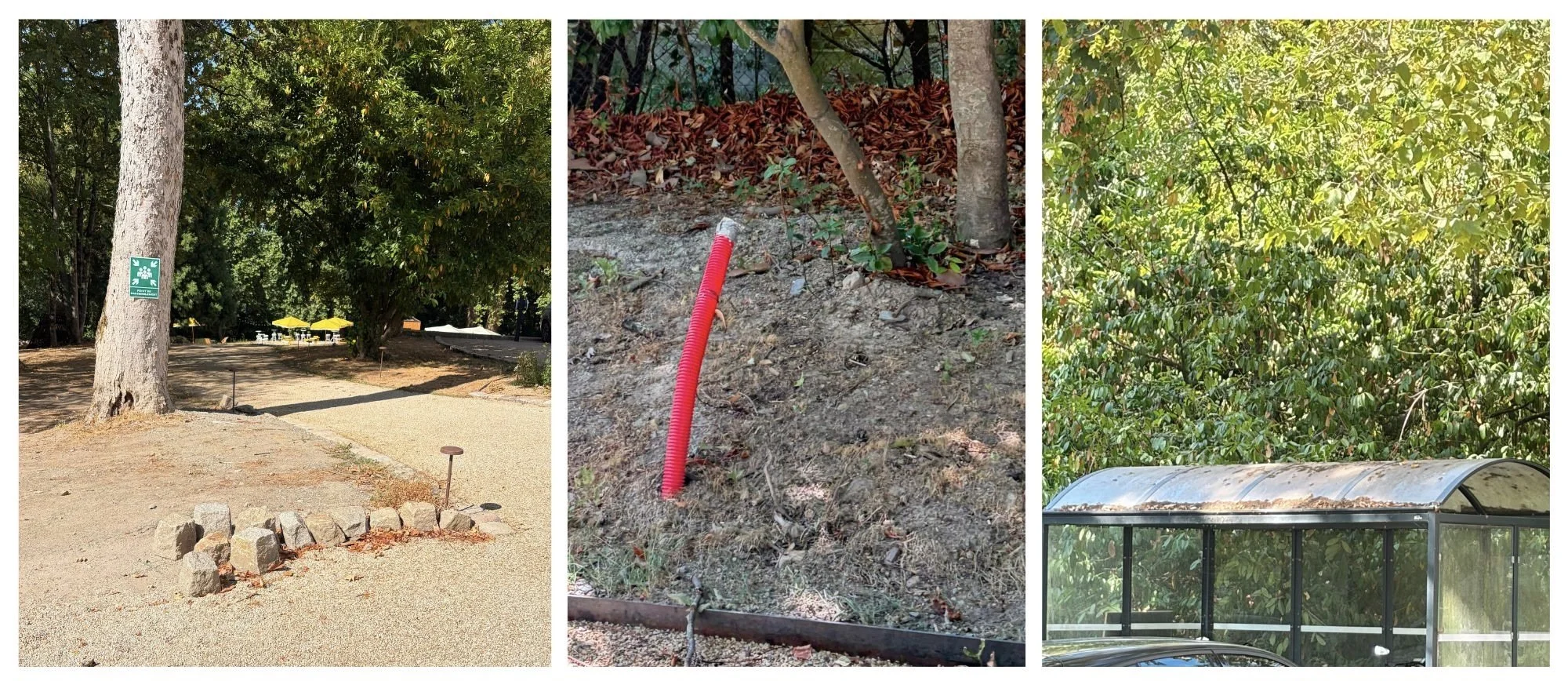
None of these details, taken individually, would ruin an experience.
But together, they told a different story.
Our first interaction reinforced that feeling. We weren't greeted particularly warmly when asking for a table. While first impressions don't define an entire experience, they do establish expectations. Especially in a place that positions itself as an elegant destination, and a 4 stars hotel.
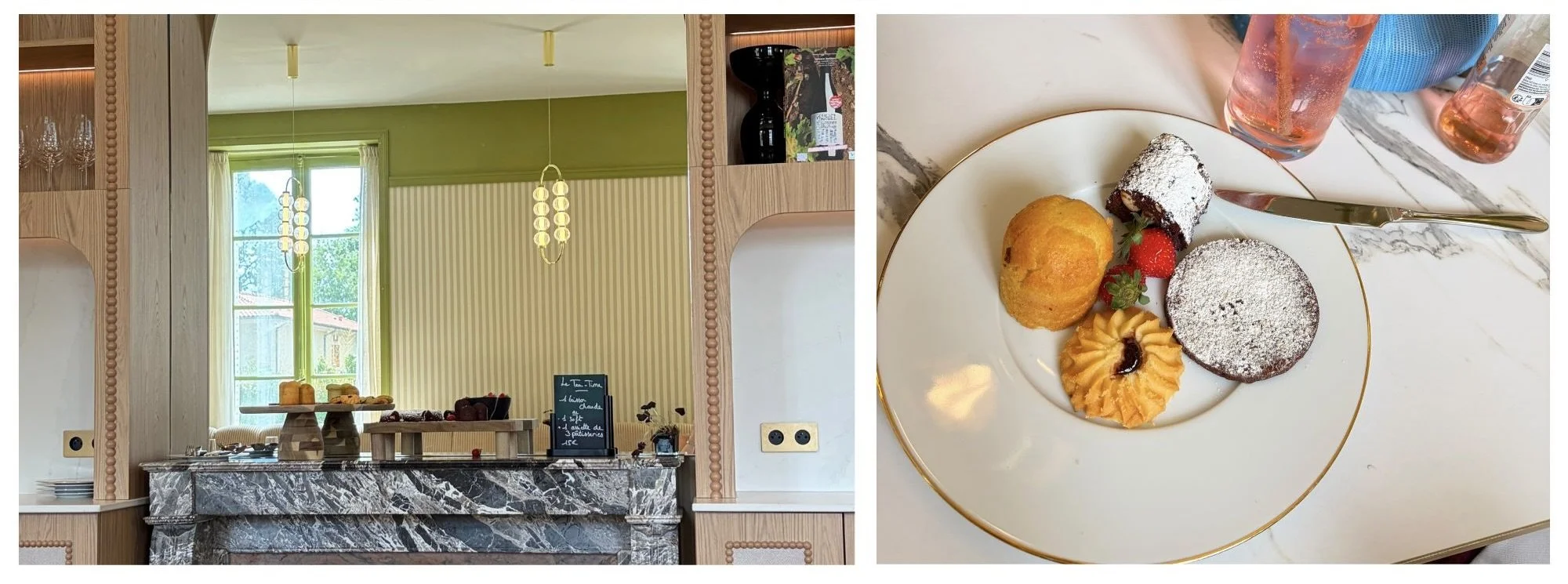
Once seated, another detail caught my attention. The pastries prepared for afternoon tea were displayed directly on the fireplace in the middle of a particularly warm August afternoon. They weren't protected by glass cloches or any cover, meaning they had likely been exposed to heat and air for hours. Unsurprisingly, by the time they reached our table, they had become stale.
Inside the restaurant, the atmosphere felt surprisingly operational rather than serene. We were the only guests, yet staff regularly moved between the adjoining reception area and hallways, chatting naturally while carrying out their work. Because the reception and bar sit directly beside the dining room, every operational sound became part of the guest experience. Cupboards opened and shut, rubbish bins closed loudly, and equipment was handled without much attention to the dining room.
None of these moments were inappropriate on their own.
But together, they interrupted the calm, effortless atmosphere that a tea time in a château naturally promises.
What struck me most was that none of these issues required a major investment to fix. They weren't about expensive renovations or grand gestures.
They were simply about attention.
A garden hose cut to the proper length instead of sticking out in plain sight.
A stone pathway finished before welcoming guests.
Fresh pastries protected under a glass cloche.
A warmer welcome.
A quieter operational rhythm.
These are the details guests rarely notice when they're done well, yet they're often the very things they remember when they aren't.
The château only opened a few months ago, so many of these points may well improve with time. I genuinely hope they do, because the setting has enormous potential.
What this visit reminded me is that prestige isn't created by history, architecture, or expensive renovations. It's created by a culture of attention, a mindset where every small detail is considered part of the guest experience.